
Solar Sigma Pile — Rib-Stiffened Post
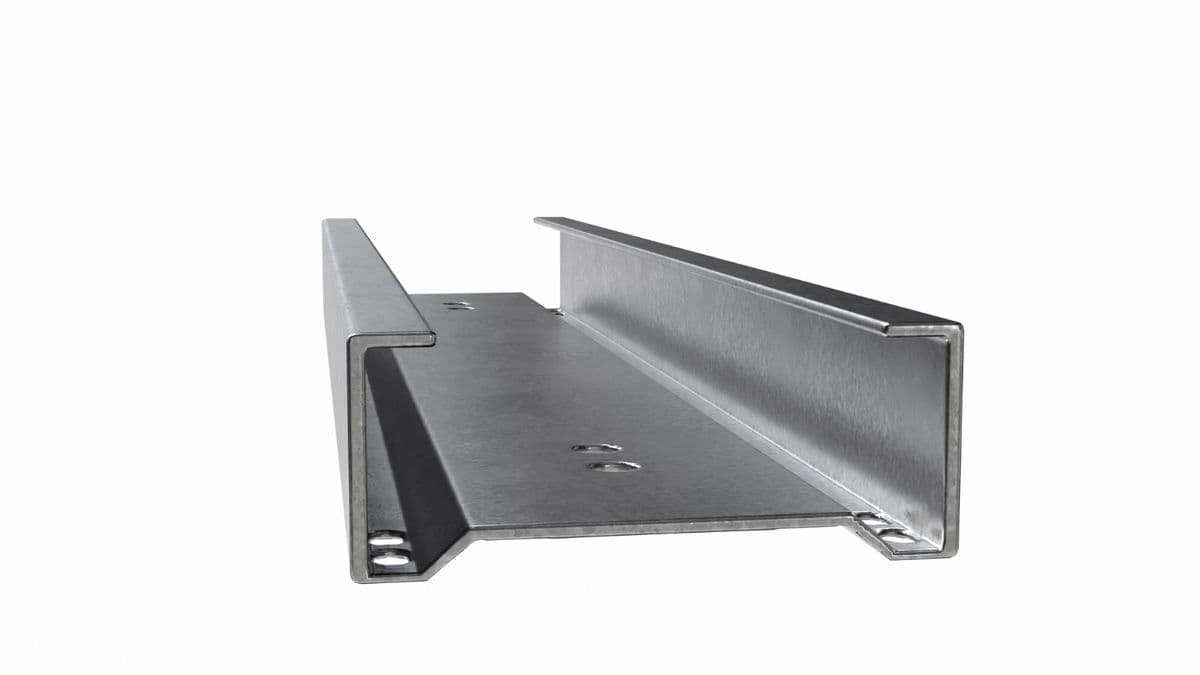
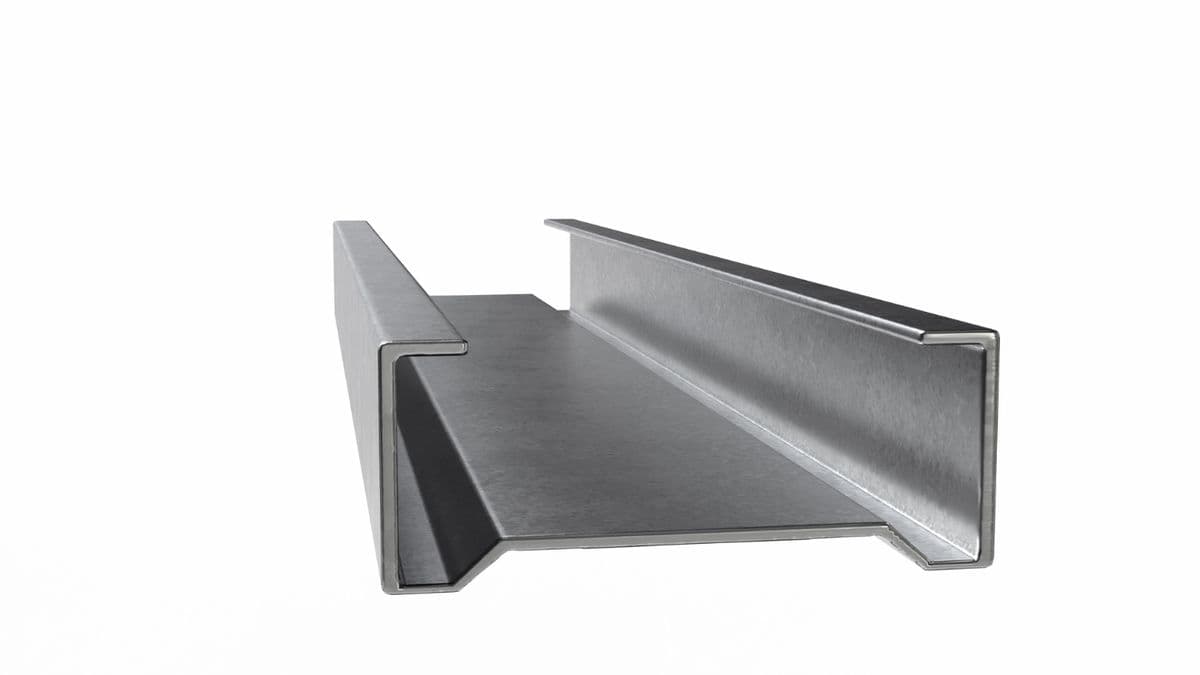
A sigma section with a stepped rib rolled into the web: more bending capacity than a C at the same gauge and better grip for deeper embedment in softer ground — while staying light enough to drive fast.
Specifications
- Section
- Stepped sigma, lipped
- Depth
- 120 – 240 mm
- Thickness
- 2.0 – 6.0 mm
- Material
- S350GD · S420GD · S450GD
- Coating
- Zn-Al-Mg ZM120–ZM430 · Galvanized Z275–Z600
- Stiffener
- Rolled-in web step
- Holes
- Plain or punched in-line
What makes a sigma section
A sigma section is a lipped C-profile whose web is given two inward steps — seen end-on it resembles the letter Σ. The steps act as longitudinal stiffeners running the length of the web, breaking the wide, thin web plate into shorter elements.
The result is a web that resists local buckling better under load: more of the section works effectively, giving higher bending capacity than a C-section of the same gauge and similar weight. The stepped web also adds stiffness while the pile is being driven.
When to specify a sigma pile
High wind and snow load: when the moment per pile rises, the sigma section adds capacity without adding gauge.
Large 2V tables and wide pile spacing: carrying a bigger table on fewer piles raises the load per pile — where the sigma section pays off.
Soft ground: when uplift capacity requires deeper driving, the total length and bending increase; the sigma's stiffness and grip help.
Cutting tonnage with thinner gauges: combined with high-yield S420GD–S450GD grades, total steel tonnage can come down. Compare with the C-pile.
Working out sigma weight
Because sigma geometry (step depth, inclined leg, lip) varies from one design to the next, there is no single standard weight table. In roll forming the weight is found most accurately from the developed strip width: strip width (mm) × thickness (mm) × 7.85 ÷ 1000 = kg/m.
For example, a sigma section with a 300 mm strip at 2.5 mm weighs about 5.89 kg/m. Send us your drawing for the exact figure.
Steel, coating and punching
We roll sigma piles in grades from S350GD to S450GD from Zn-Al-Mg (ZM120–ZM430) or galvanized (Z275–Z600) pre-coated coil. Connection holes and adjustment slots are punched in-line in the same pass as the forming — no drilling on site. Coating selection is covered in our Zn-Al-Mg guide.
Trackers and custom platforms
Some single-axis tracker platforms use sigma or similar stiffened sections as posts; others specify W-beam piles. The platform design belongs to the tracker OEM — we manufacture to the stated section, tolerance and coating. Because we make our own tooling, a platform-specific sigma geometry goes to first article quickly. More on tracker steel structures.
Frequently asked questions
Sigma vs C profile — what is the difference?
+
A sigma profile has two inward steps formed into the web. They stiffen the web and delay local buckling, giving more bending capacity than a C-profile at the same gauge. The C-profile is simpler and more common, and cheaper wherever the load allows.
Are sigma piles used for trackers?
+
Yes — some single-axis tracker platforms use sigma or similar stiffened sections as posts, while others use W-beams. The choice follows the tracker OEM's design; we roll the specified section and coating.
Is there a sigma profile weight table?
+
Sigma geometry varies by design, so there is no single standard table. Weight in kg/m = strip width × thickness × 7.85 ÷ 1000. Send your drawing for the exact figure.
Related profiles
C-Pile
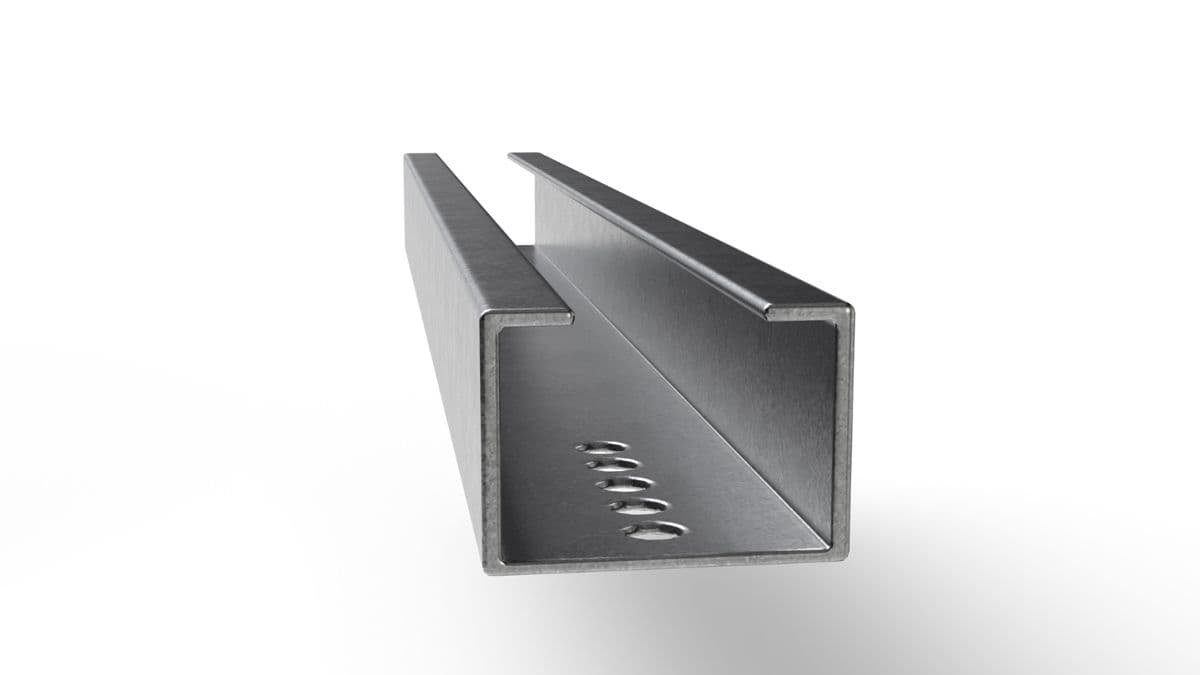
The primary driven post. Lips stiffen the flanges against buckling; the open face takes brackets anywhere along its length.
Learn More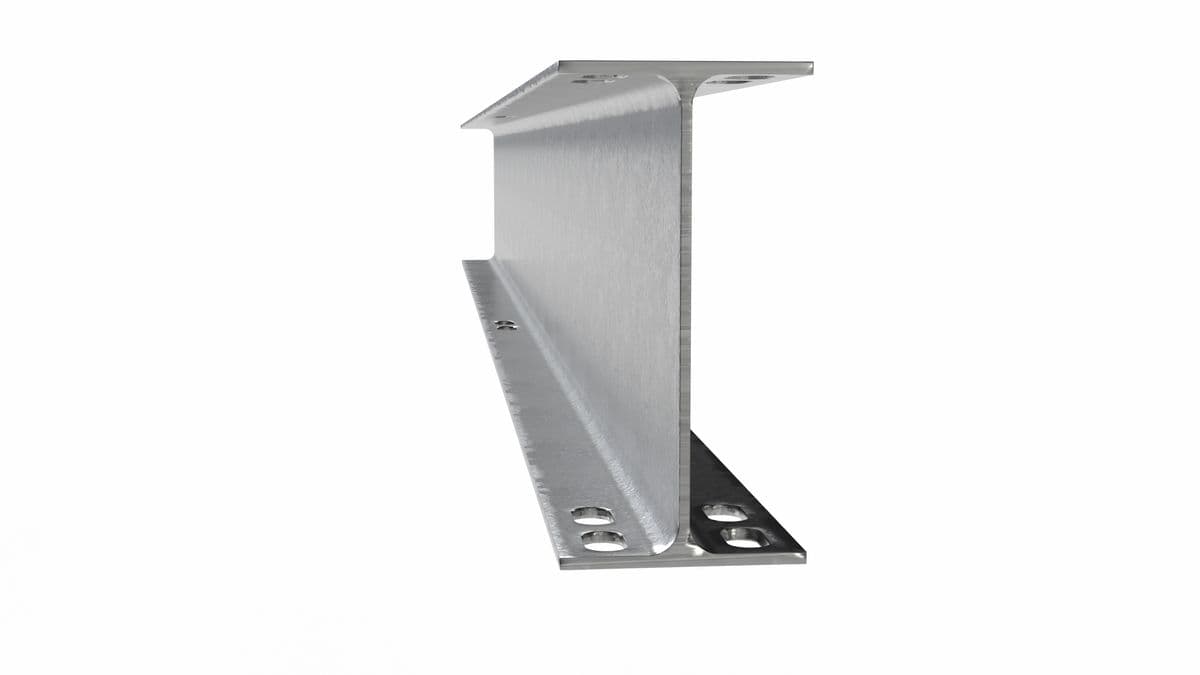
W-Beam Piles
Wide-flange beams for tracker posts and long spans — W6 to W12, slotted or plain, galvanized.
Learn More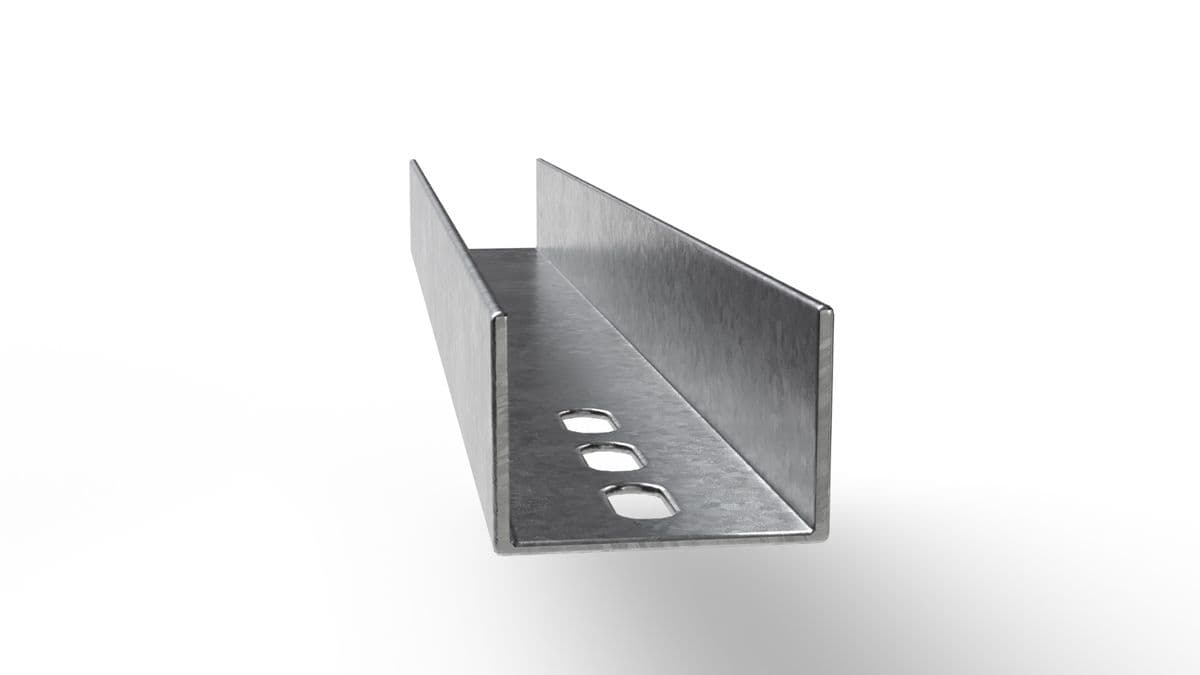
U-Pile
An open channel for lighter loads and compact frames — economical where a full C-section isn't needed.
Learn More