Solar Steel Profiles for Ground-Mount PV
From pile to purlin, we roll every steel profile of a solar structure on our own lines with our own tooling — catalogue sections or your drawing, punched and cut to length.
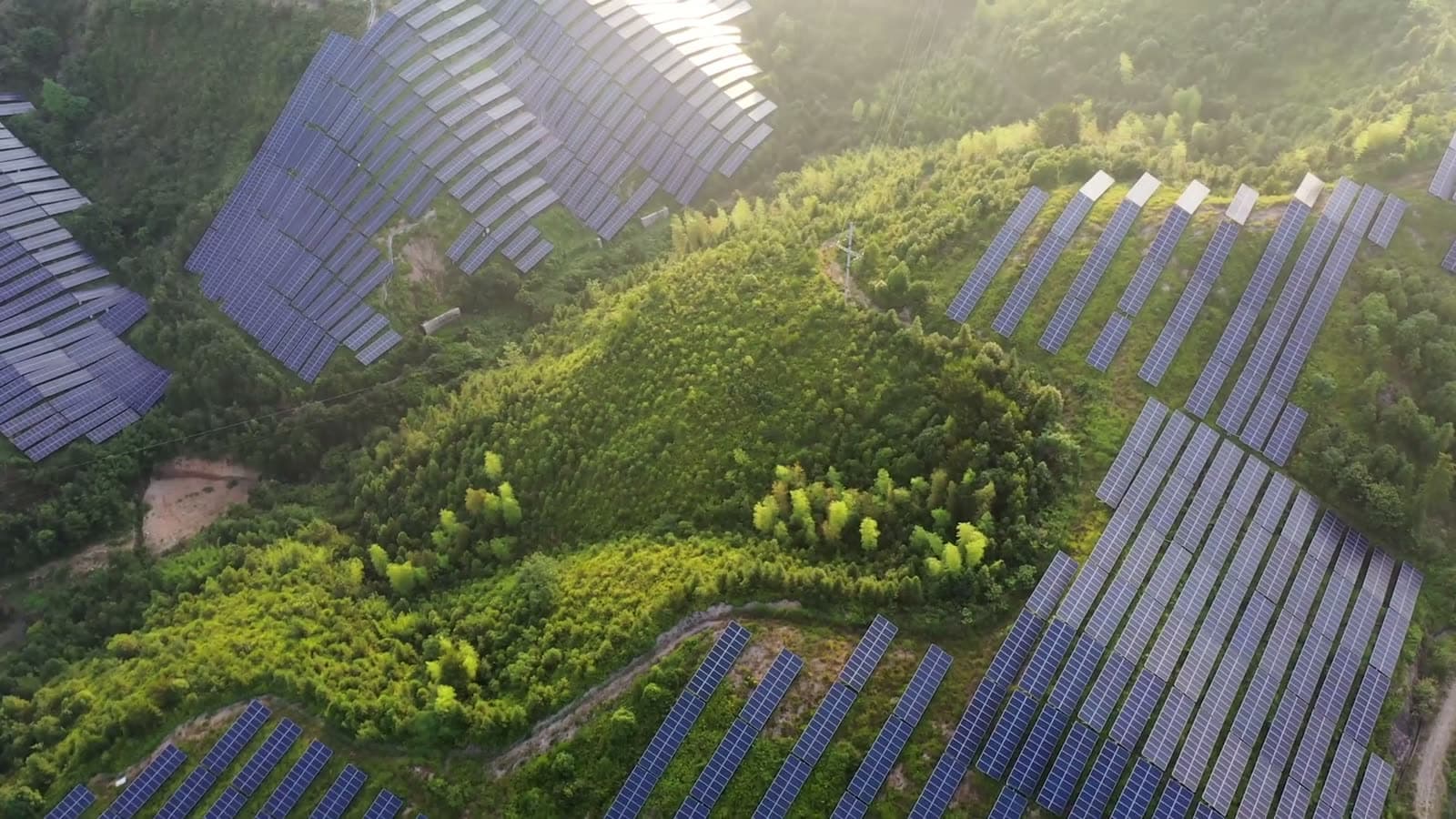
Solar steel profiles are the members of the steel structure that carries the modules in a ground-mount solar plant: piles driven into the ground, the chords and rafters that set the tilt, and the purlins and rails that carry the modules. Most are thin-walled sections cold-formed (roll-formed) from pre-coated coil; tracker posts use hot-rolled W-beams.
Y Solar is the solar brand of Yılmaz Sac Profil, processing steel in Kayseri, Türkiye since 1962. We form the coil, punch in-line, cut to length and pack for site — and we calculate the loads the profiles carry to Eurocode or ASCE 7. Below is what each profile does, when to choose it and its technical range.
- 1 GW+
- Solar steel supplied
- 2,500+ t
- Monthly capacity
- 2–6 mm
- Pile thickness
- 1962
- Established
The solar profile family
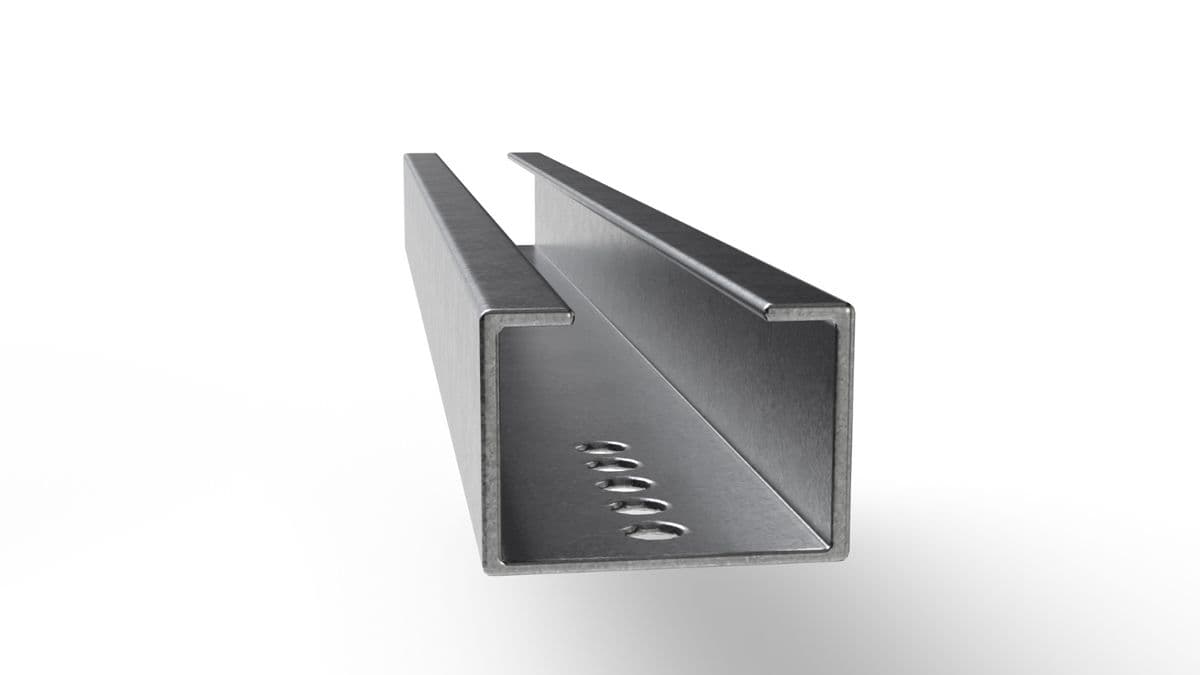
C-Pile
The primary driven post. Lips stiffen the flanges against buckling; the open face takes brackets anywhere along its length.
100 – 240 mm · 2.0 – 6.0 mm
Sizes and weights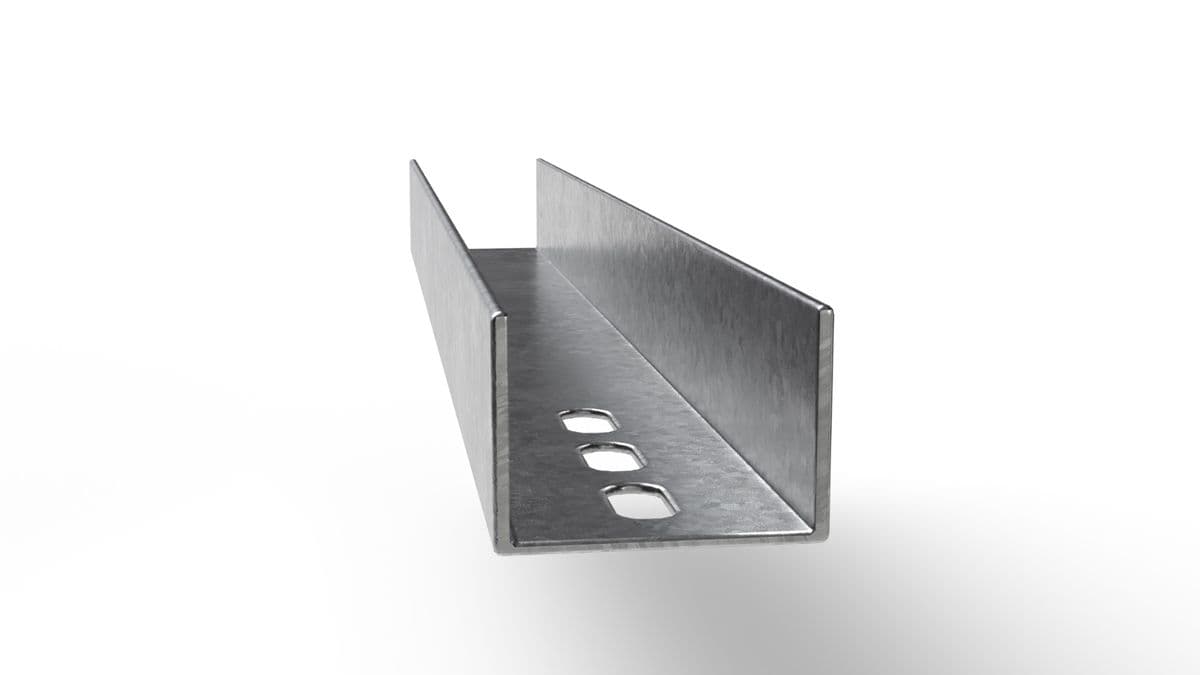
U-Pile
An open channel for lighter loads and compact frames — economical where a full C-section isn't needed.
80 – 200 mm · 2.0 – 6.0 mm
Sizes and weights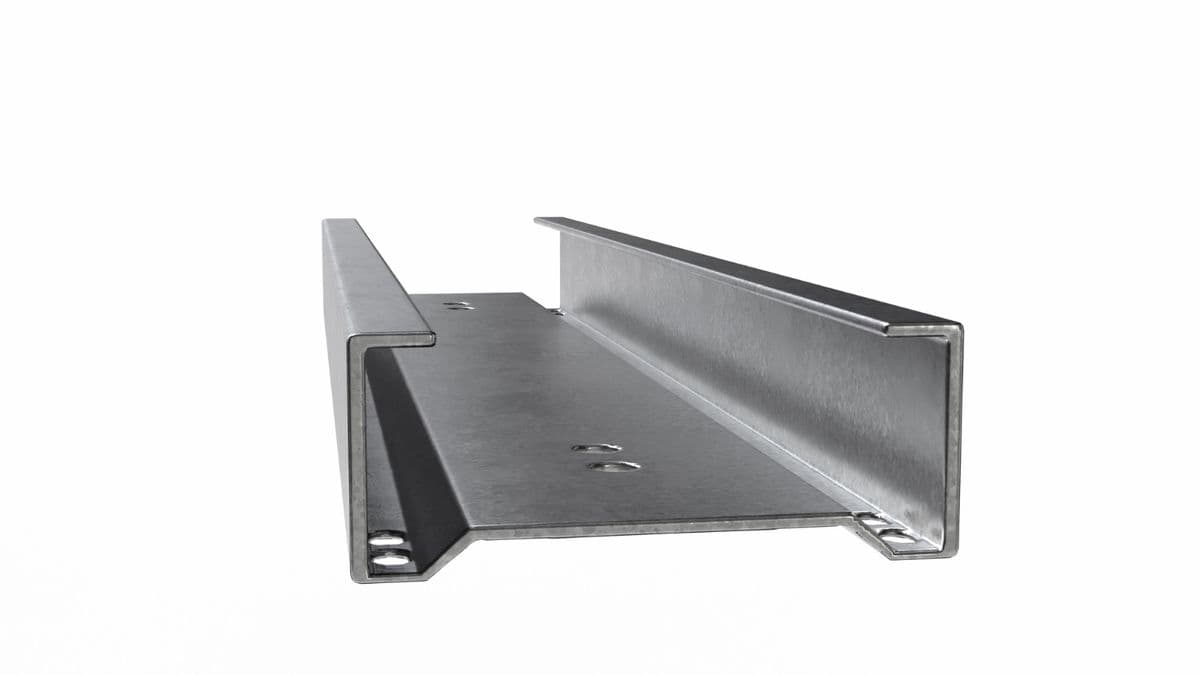
Sigma Pile
Stepped, rib-stiffened web — more moment at the same gauge, and grip for deeper embedment in soft ground.
120 – 240 mm · 2.0 – 6.0 mm
Sizes and weights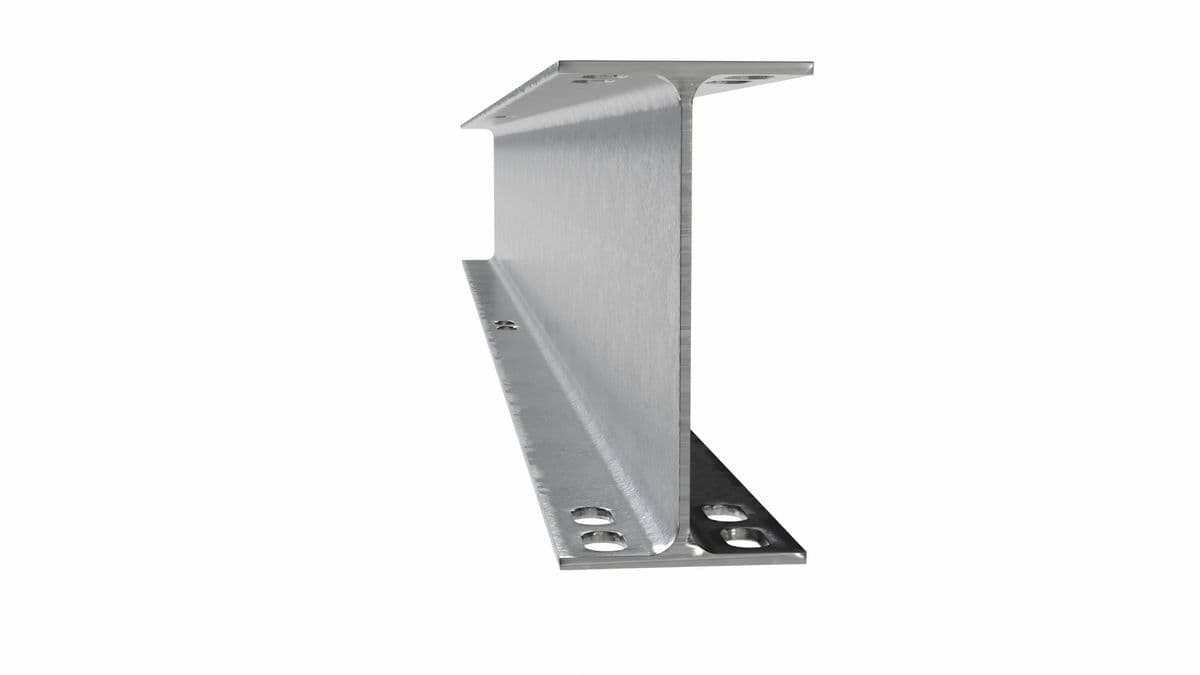
W-Beam Piles
Wide-flange beams for tracker posts and long spans — W6 to W12, slotted or plain, galvanized.
W6 · W8 · W10 · W12 · ASTM A572 Grade 50 – 65
Sizes and weights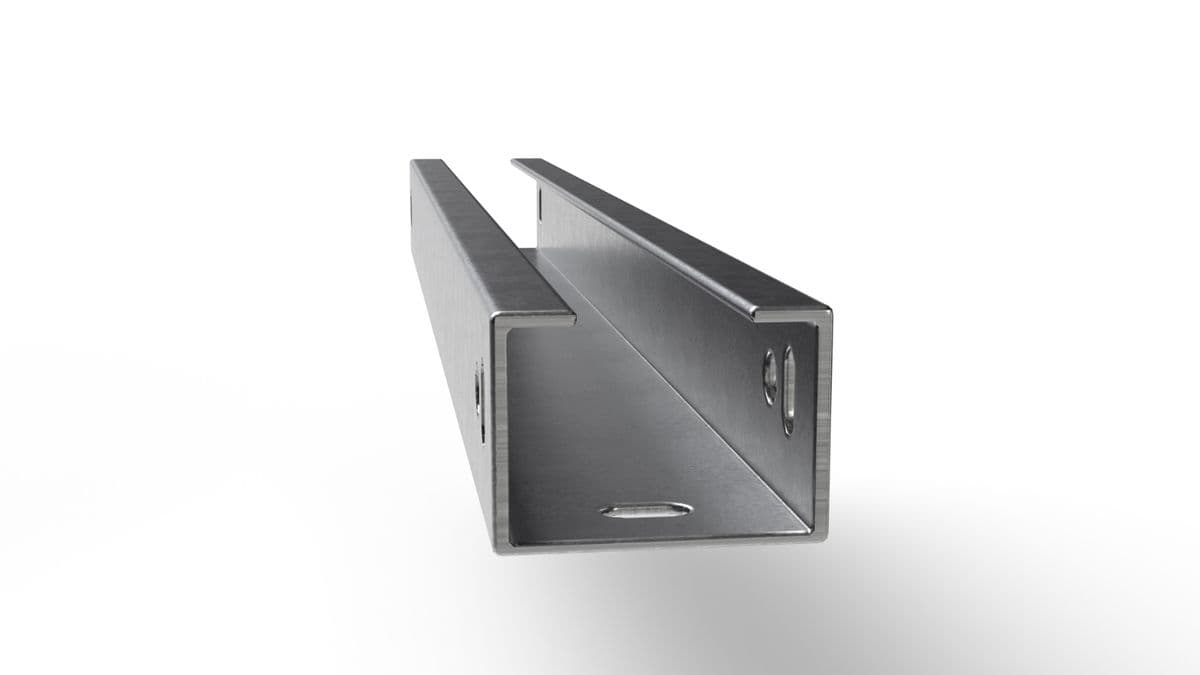
Purlins & Rails
C and Z purlins and omega rails that carry the modules — pre-punched, ZM-coated, to drawing.
To drawing, 1 – 6 mm line range · S250GD – S450GD
Sizes and weightsCustom sections
Any profile you can draw, we can roll — we build our own tooling, so bespoke sections become production runs fast.
Which profile goes where
| Profile | Role | Section and range | When to choose it |
|---|---|---|---|
| C-pile | Foundation pile, primary post | Lipped C · 100–240 mm · 2–6 mm | The standard answer on most fixed-tilt projects |
| U-pile | Light pile, secondary member | Open U · 80–200 mm · 2–6 mm | Low loads, compact tables, braces and ties |
| Sigma pile | High-moment pile | Stepped sigma · 120–240 mm · 2–6 mm | High wind/snow, 2V tables, soft ground |
| W-beam pile | Tracker post, long span | W6–W12 · Grade 50–65 · galvanized | Tracker platforms and heavy loads |
| Purlins & rails | Carry the modules | C and Z purlins · omega rails | Every table; section set by module and load |
Steel and coating
For cold-formed profiles we select coil to EN 10346 from S250GD to S450GD. S350GD is standard; with high-yield S420GD or S450GD the same load is carried at a thinner gauge, cutting tonnage and cost.
Two main coatings: Zn-Al-Mg (ZM120–ZM430) and galvanized (Z275–Z600). Zn-Al-Mg (Magnelis-type) self-heals at sheared and punched edges, lasts markedly longer than galvanizing in salty, humid and agricultural environments, and — formed from pre-coated coil — needs no post-galvanizing bath. W-beams are supplied hot-dip galvanized. For the comparison and choosing a coating class see our Zn-Al-Mg vs galvanized guide.
Coil to site: how we make them
1. Decoiling and levelling: pre-coated Zn-Al-Mg or galvanized coil is fed and flattened. 2. Roll forming: progressive stands cold-form the C, U, sigma, Z or omega section. 3. In-line punching: connection holes, slots and perforations are stamped to the drawing in the same pass. 4. Cut-off and bundling: flying cut to exact length, then strapped and labelled for site.
Our technical team designs and builds the roll-forming tooling in-house, so a new section moves from drawing to production fast and tolerances stay under our control. With capacity above 2,500 tons a month we deliver utility-scale projects on plannable schedules. For bespoke sections see roll forming.
Engineering and documents
Instead of generic load tables we calculate every site with its own data: wind zone, snow load, soil class and seismic demand. The delivery package is a static report to Eurocode 3 or ASCE 7, general-arrangement drawings, bill of materials, pile pull-out test results and an installation manual. Fabrication follows EN 1090 under an ISO 9001 quality system. How pile depth is set is explained in our pile driving and pull-out testing guide.
Steel or aluminium?
A search for "solar profiles" also brings up aluminium rails: aluminium is light, so it dominates rooftop systems. Ground-mount plants, however, are built mostly in steel — driving piles into the ground, spanning long distances and carrying high wind and snow loads economically all depend on steel's strength-to-cost ratio.
Steel's one weakness was corrosion, and Zn-Al-Mg coating closes most of that gap. We make steel profiles: the piles, beams, purlins and rails of a ground-mount system from one source — and the steel piles and beams for hybrid systems.
What drives the price of solar profiles
Solar profiles are sold as steel by weight, so most of the price comes from the coil (steel) price and the total tonnage. Tonnage in turn follows the section, gauge and grade — using a high-strength grade to go thinner is often the most effective saving.
Other drivers: coating type and class (Zn-Al-Mg / galvanized, coating mass in g/m²), hole and slot pattern, length and quantity mix, and packing and delivery point (truck within Türkiye; truck or container for export). Send the section drawing, coating and quantities and we price it transparently along these lines.
Solar profile guides
Choosing solar profiles: C, U, sigma and W piles
Which section and gauge for your loads, soil and table layout?
How much steel per MW of solar?
Work out tonnage and structure cost step by step.
Zn-Al-Mg (ZM) or galvanized?
Coating classes, corrosion categories and service life.
Pile embedment and pull-out testing
How deep are piles driven and how is pull-out tested?
Solar profiles — frequently asked questions
What does the price of solar profiles depend on?
+
Mainly on the steel (coil) price and total tonnage — and tonnage on the section, gauge and grade. Coating type and class, hole pattern, length and quantity mix, packing and delivery point also count. Share the drawing, coating and quantities and we quote line by line.
In what lengths are solar profiles made?
+
Profiles are cut to the required length on the line with a flying cut-off; there is no fixed stock length. Pile length follows embedment depth and table height; purlin and rail length follow table length and splice layout. Lengths are also planned around the shipping method.
Do you deliver across Türkiye and abroad?
+
Yes. From Kayseri we ship by truck across Türkiye, and by truck or container to Europe, the Middle East and North America, organising loading, packing and documents. A firm date is given with the quote.
What is a solar mounting structure made of?
+
Cold-formed (roll-formed) steel: C, U or sigma piles driven into the ground, purlins and rails that carry the modules, and connection brackets. The usual material is S350GD galvanized coil; Zn-Al-Mg (ZM) coating is preferred for outdoor service life. Tracker platforms add W-section beams.
Which steel profiles are used for solar piles and purlins?
+
Lipped C, open U and stepped sigma profiles as piles (2–6 mm, up to 400 mm wide); W6–W12 beams for tracker posts; C, Z and omega sections as purlins and rails. All are delivered pre-punched in-line, ready to bolt.
Zn-Al-Mg or hot-dip galvanized for solar steel?
+
For 25+ years outdoors we recommend Zn-Al-Mg (ZM / Magnelis-type) coating: it self-heals at sheared and punched edges, lasts markedly longer than galvanizing in salty or humid (C4–C5) environments, and because it is formed from pre-coated coil there is no post-galvanizing bath. Hot-dip galvanized (HDG) is available where specified.
Can you roll a profile to our own drawing (OEM)?
+
Yes. Because we design and make the rolls and tooling in-house, we can prototype and series-produce sections specific to your tracker or fixed-tilt platform in short lead times. A DXF or PDF drawing, the material and an estimated footage are enough; we come back with a manufacturability review.
Which standards do your solar profiles meet?
+
Steel to EN 10346 (coated coil) and ASTM A653 / A572, fabrication to EN 1090, design to Eurocode 3 or ASCE 7, under an ISO 9001 quality system. Grades run from S250GD to S450GD.